

As the days get shorter and temperatures start to drop, it’s time to trade breezy dresses, lightweight shorts, and swimsuits for cozy sweaters and fall layers. Before you pack away your summer wardrobe, take a little time to organize everything properly. Storing your clothes the right way can help protect them from dust, moisture, odors, and damage while making next summer’s wardrobe swap much easier.
Here are some simple tips for storing your summer clothes until warm weather returns.
 Sort Before You Store
The easiest time to declutter your summer wardrobe is before you put it away. Go through your warm-weather clothes and separate everything into three groups: keep, donate, and toss. If you didn’t wear something all summer, consider whether it’s worth taking up valuable storage space for another year. Clothes that are stained, damaged, or worn out may also be better candidates for replacing rather than storing. You’ll be left with a smaller collection of summer favorites that are actually worth keeping.
Wash Everything First
It might be tempting to fold everything up and put it away, especially if you're ready to move on to fall clothes, but make sure your summer wardrobe is clean before storing it. Even clothes that appear clean can have traces of sweat, sunscreen, body oils, food, or perfume. Over several months, these can lead to unpleasant odors or even attract insects. Follow the care instructions on each garment and make sure everything is completely dry before packing it away.
Fold Clothes Instead of Hanging Everything
Most lightweight summer clothing can be folded and stored rather than taking up valuable closet space on hangers. T-shirts, shorts, tank tops, casual dresses, and swimsuits are all good candidates for folded storage. Use storage bins, baskets, or fabric organizers to keep everything contained and easy to find. Group similar items together so you won't have to dig through an entire container when you're looking for something next summer. For delicate garments that wrinkle easily, hanging them in a breathable garment bag may be a better option.

Choose the Right Storage Containers
The containers you use can make a big difference in how well your clothes hold up during the off-season. Plastic storage bins with secure lids are useful for protecting clothing from dust and moisture, while fabric storage bags can work well for items that need more airflow. Baskets and storage caddies are another convenient option for smaller accessories such as scarves, cover-ups, hats, and beach accessories. Choose containers that fit your available closet, shelf, or under-bed space, and avoid cramming clothes inside. Giving your clothing a little room can help prevent excessive wrinkles and allow fabrics to stay fresh.
Protect Delicate Fabrics
Summer wardrobes often include delicate materials such as linen, silk, crochet, and lightweight cotton. Give these pieces a little extra attention before putting them away. Avoid storing delicate clothing in places where it could be crushed under heavy items. Don't use cardboard boxes for long-term clothing storage, as they can attract pests and aren't ideal for protecting fabrics. For particularly delicate pieces, consider breathable garment bags or dedicated fabric storage organizers.
Don't Forget Your Swimwear
Swimsuits can easily get overlooked when packing away summer clothes. Before storing them, make sure they're thoroughly washed and completely dry. Fold swimsuits loosely rather than compressing them into a small space. Keep them in a dedicated drawer, basket, or storage container so they're easy to locate when pool and beach season comes around again. This is also a good time to check for stretched fabric, fading, or damage and decide whether any pieces need replacing before next summer.

Store Shoes Separately
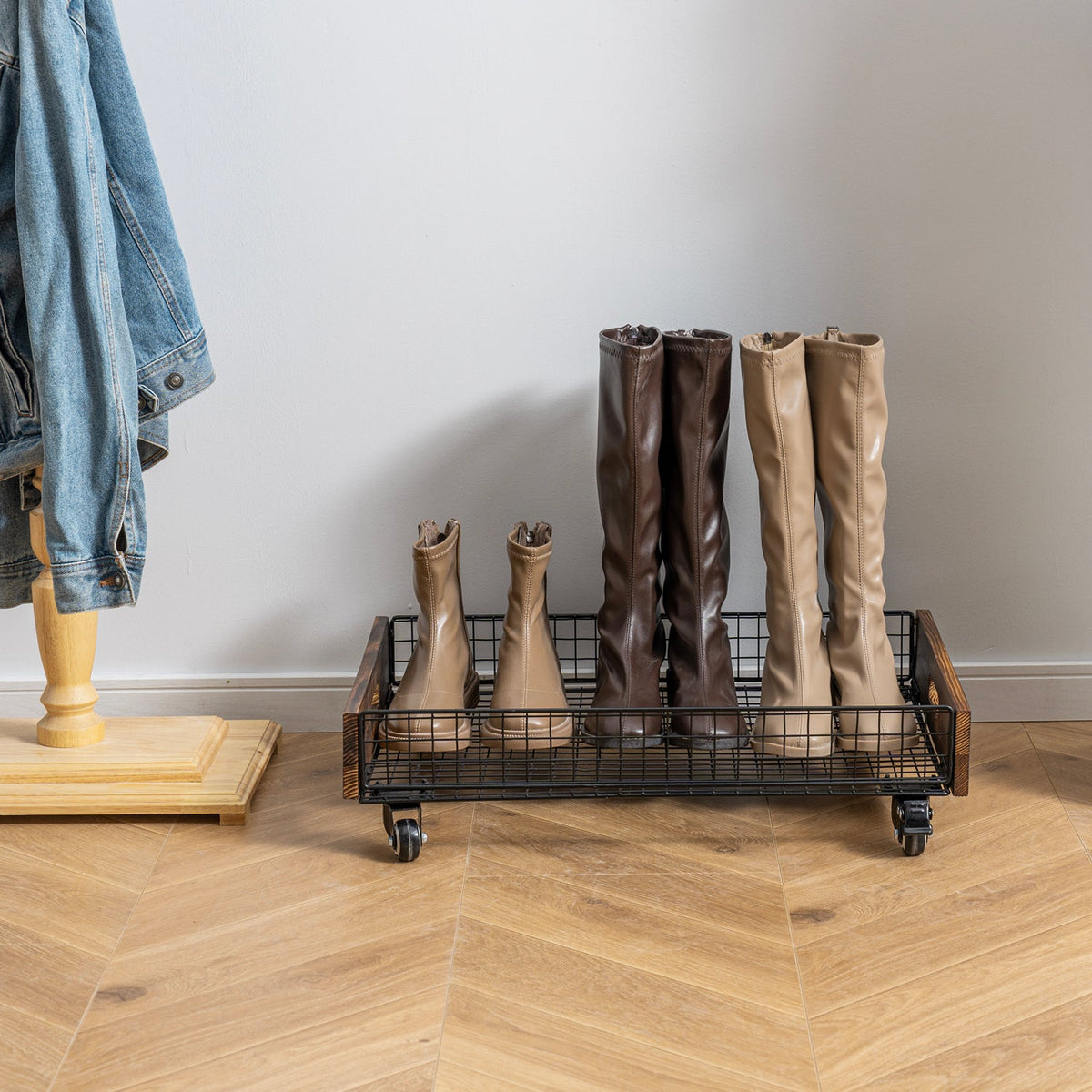
Summer shoes can take up a surprising amount of closet space. Before putting away sandals, espadrilles, and canvas shoes, clean off dirt and debris and allow them to dry completely. Store shoes separately from clothing when possible. Shoe boxes, cubbies, or storage racks can help keep pairs organized while preventing dirt from getting onto freshly cleaned clothes. Stuffing shoes with tissue paper can also help them maintain their shape while they're stored.
Keep Accessories Organized
Don't let summer accessories become a tangled mess in the back of your closet. Sunglasses, belts, hats, beach bags, and lightweight scarves can all be grouped together so they're ready to go when summer returns. Small baskets or organizers are especially useful for keeping accessories contained. Labeling your storage containers can also save time when you're unpacking everything next year.
Label Your Storage
Once everything is packed away, take a minute to label your containers. Instead of simply writing "summer clothes," be more specific with labels such as "Swimwear," "Summer Tops," "Shorts," or "Beach Accessories." Clear labels make it much easier to find what you need without opening every container. If you store clothing in opaque bins, consider keeping a simple inventory of what's inside each one.

Pick a Cool, Dry Storage Spot
Where you store your summer wardrobe matters just as much as how you pack it. Look for a cool, dry area away from direct sunlight. A closet shelf, under-bed storage area, or climate-controlled part of your home can work well. Avoid damp basements, humid areas, or places with large temperature fluctuations whenever possible. Keep storage containers off the floor if there's any risk of moisture or water exposure.
Make Next Summer Easier
When the weather warms up again, you'll be glad you took the time to organize your summer wardrobe now. Clean clothes, labeled containers, and an organized storage system mean you can spend less time searching and more time enjoying the season.
Before putting everything away, think about how you want your summer wardrobe organized next year. A little planning now can make your seasonal closet switch faster, easier, and much less stressful.


